Summary
Independent, prospective observational study evaluating connected medication management in the home.
- 98% medication adherence over six months
- 86% System Usability Score (SUS)
- 1,114 medication-related problems identified and addressed
- 78% of participants required clinical intervention
- 65 participants, aged 65+, on 3+ medications
Context
With funding from the Centre for Aging and Brain Health Innovation (CABHI) through its Industry Innovation Partnership Program (I2P2), researchers at the University of Waterloo conducted a six-month study assessing the impact of a connected, in-home medication dispensing system.
Medication non-adherence remains a leading contributor to avoidable healthcare utilization. Demonstrating measurable improvement, particularly in older adults with chronic conditions, is critical to expanding access and adoption.
Approach
Participants incorporated the system into their daily routines without changes to standard care.
Each participant received:
- Pharmacist-led medication review and consultation
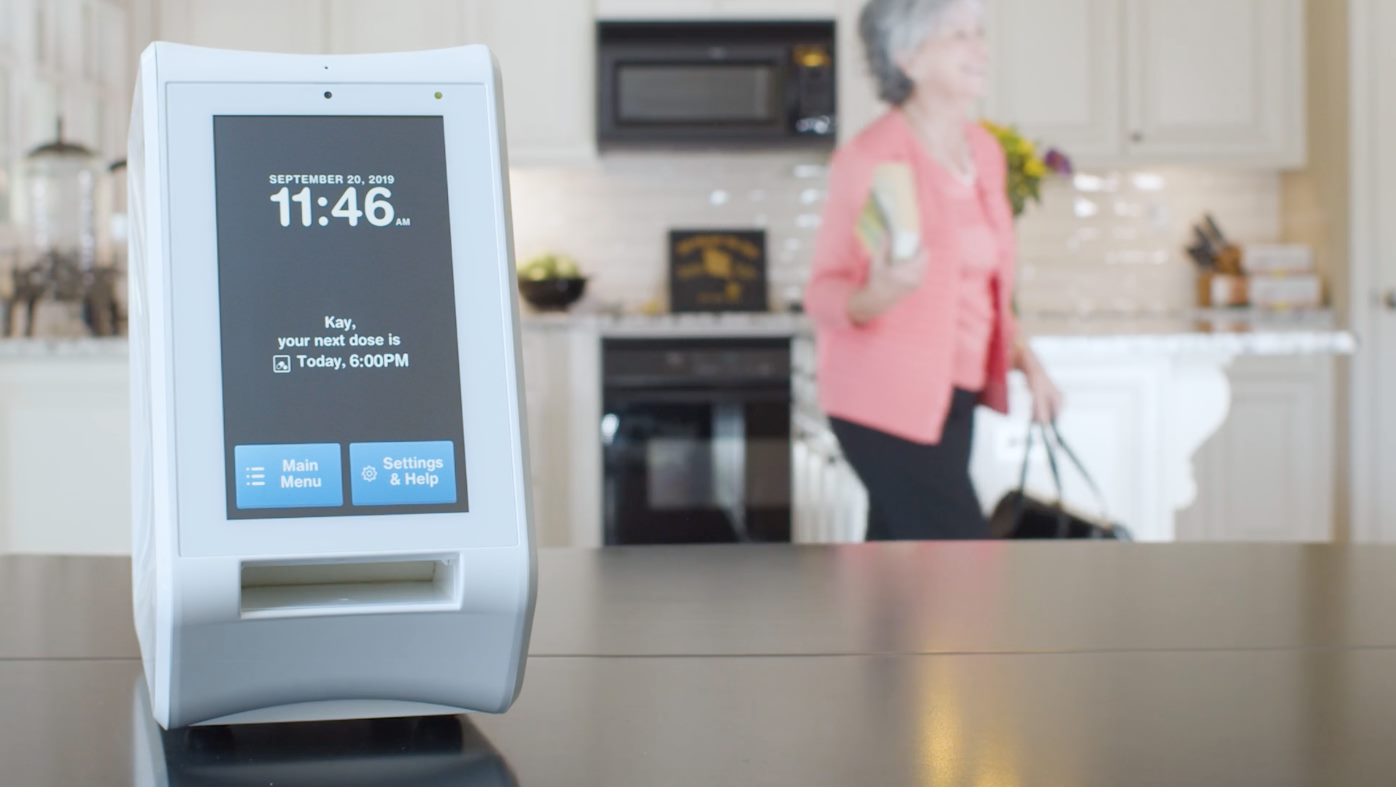
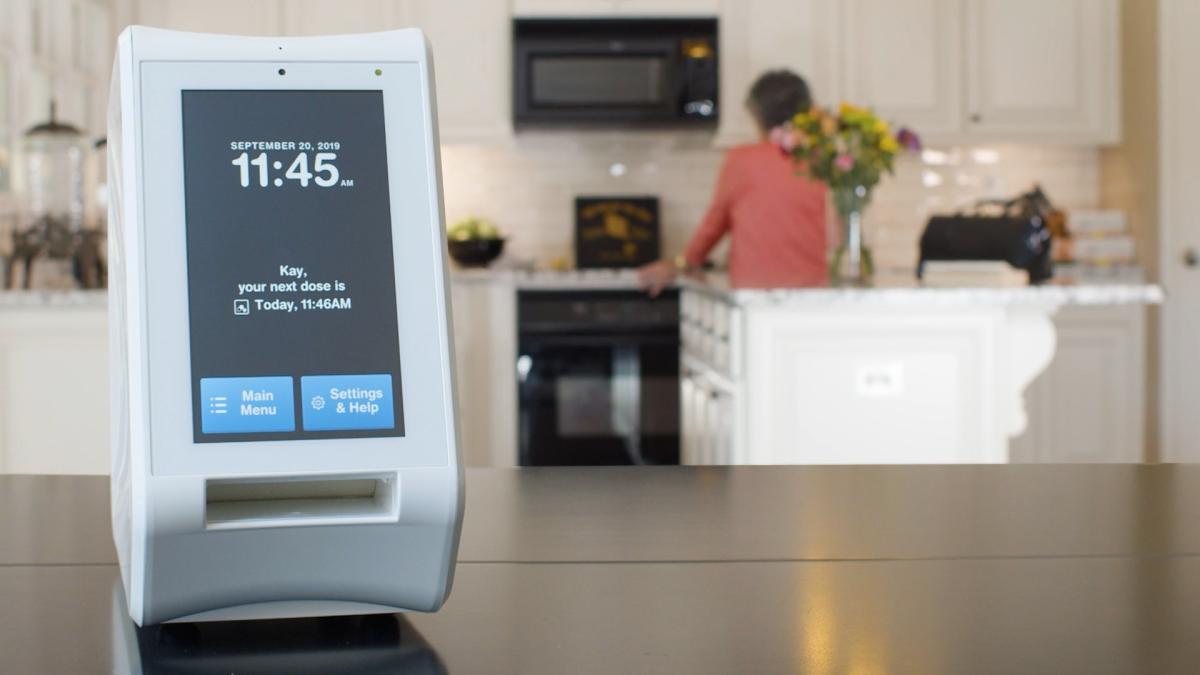
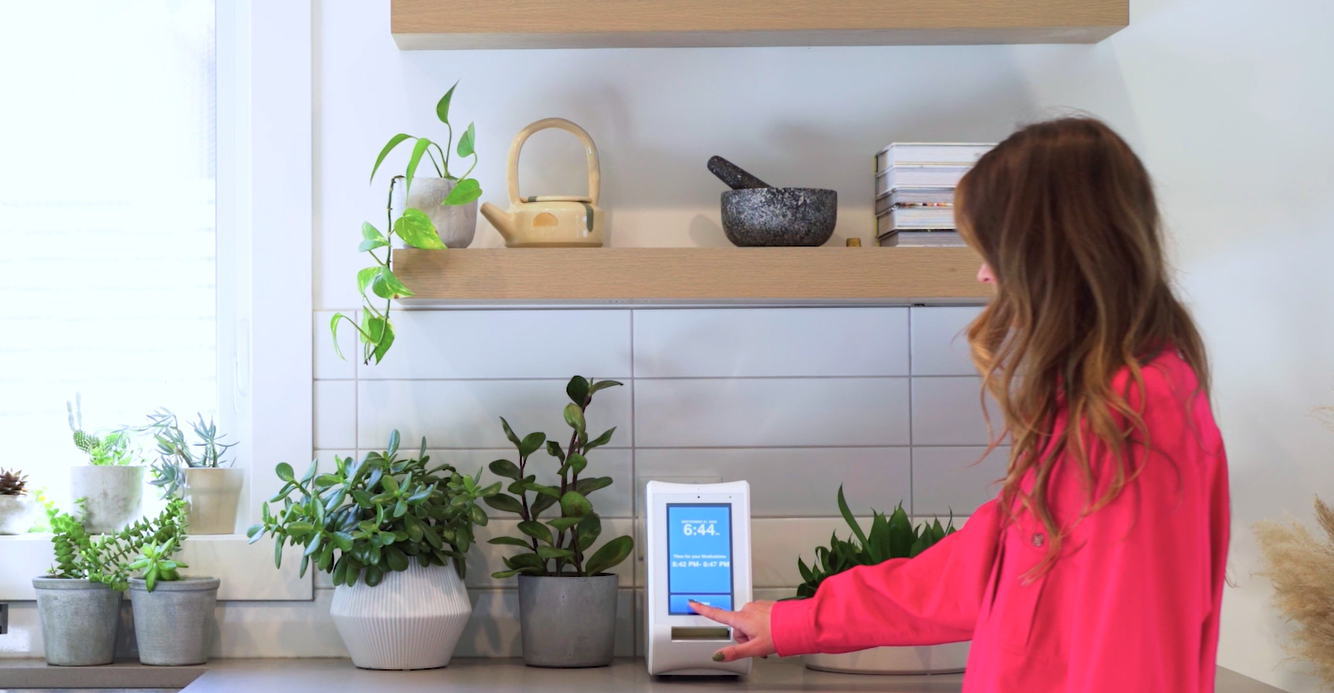
- In-home medication dispensing through spencer®
- Ongoing medication delivery
- Continuous adherence monitoring
Dose-level data provided real-time visibility into medication use, enabling pharmacists to identify gaps and intervene early. Interventions were often simple, such as adjusting medication timing to better align with patient routines, supporting sustained adherence over time.
Results
“Connected technologies like spencer could be a useful solution for medication management in patients on drug therapy for chronic conditions." — Tejal Patel, PharmD, Principal Investigator
Adherence reached 98%, significantly exceeding the 50% benchmark recognized by the World Health Organization for defining adherence.
High usability (SUS: 86%) supported consistent patient engagement, reinforcing sustained use over time.
Clinical pharmacists used real-time data to identify and resolve 1,114 medication-related problems, impacting 78% of participants, enabling earlier and more targeted intervention.
Caregiver Impact
The study also demonstrated the potential to reduce caregiver burden.
Structured medication delivery, combined with real-time visibility and pharmacist oversight, reduced the need for manual coordination and monitoring. Caregivers reported greater confidence that medications were being taken as prescribed, allowing more time to focus on other aspects of care and daily life.
What This Shows in Practice
- Medication adherence improves when use is structured and supported in the home
- Real-time visibility enables earlier, more effective clinical intervention
- High usability supports sustained patient engagement
- Caregivers are better supported without added complexity
These outcomes reflect what happens when medication use is continuously observed, interpreted, and acted on through a coordinated system of pharmacy, technology, and clinical care.
Talk to our team about deploying connected medication management.
Explore the Clinical Evidence
- Read the full study in Journal of Medical Internet Research (JMIR)
- View the scientific poster presented at the Canadian Geriatrics Society Annual Scientific Meeting
[Poster preview image]
Click to enlarge
***with caption: Independent study presented at a national clinical forum, reinforcing real-world applicability of connected medication management.