Managing complex medication regimens at home
Medication use for Parkinson’s disease is highly structured and time-dependent. Patients often take multiple medications at specific intervals throughout the day, where even small deviations can impact symptom control.
As therapy complexity increases, maintaining consistency becomes difficult—particularly in the home, where patients and caregivers are responsible for managing intricate dosing schedules without continuous clinical oversight.
This creates risk across adherence, symptom control, and caregiver burden.
Study Overview
A multi-site observational study conducted across community pharmacy settings evaluated the use of an in-home medication dispensing and monitoring system in patients with Parkinson’s disease living with caregiver support.
Patients were prescribed two or more oral medications and used the system as part of their normal routines over a defined study period. The study assessed medication adherence, caregiver burden, and the ability to generate clinically actionable insights.
"This is a great way to gather and share information with the care team on trends in symptoms over a period of time…for my diabetes nurse, neurologist, GP & pharmacist."
- Study patient
Study Snapshot
- Community pharmacies: 3
- Study duration: 98 days
- Average adherence: 98%
- Medication complexity: 7 medications, 5 dosing times per day
The Approach
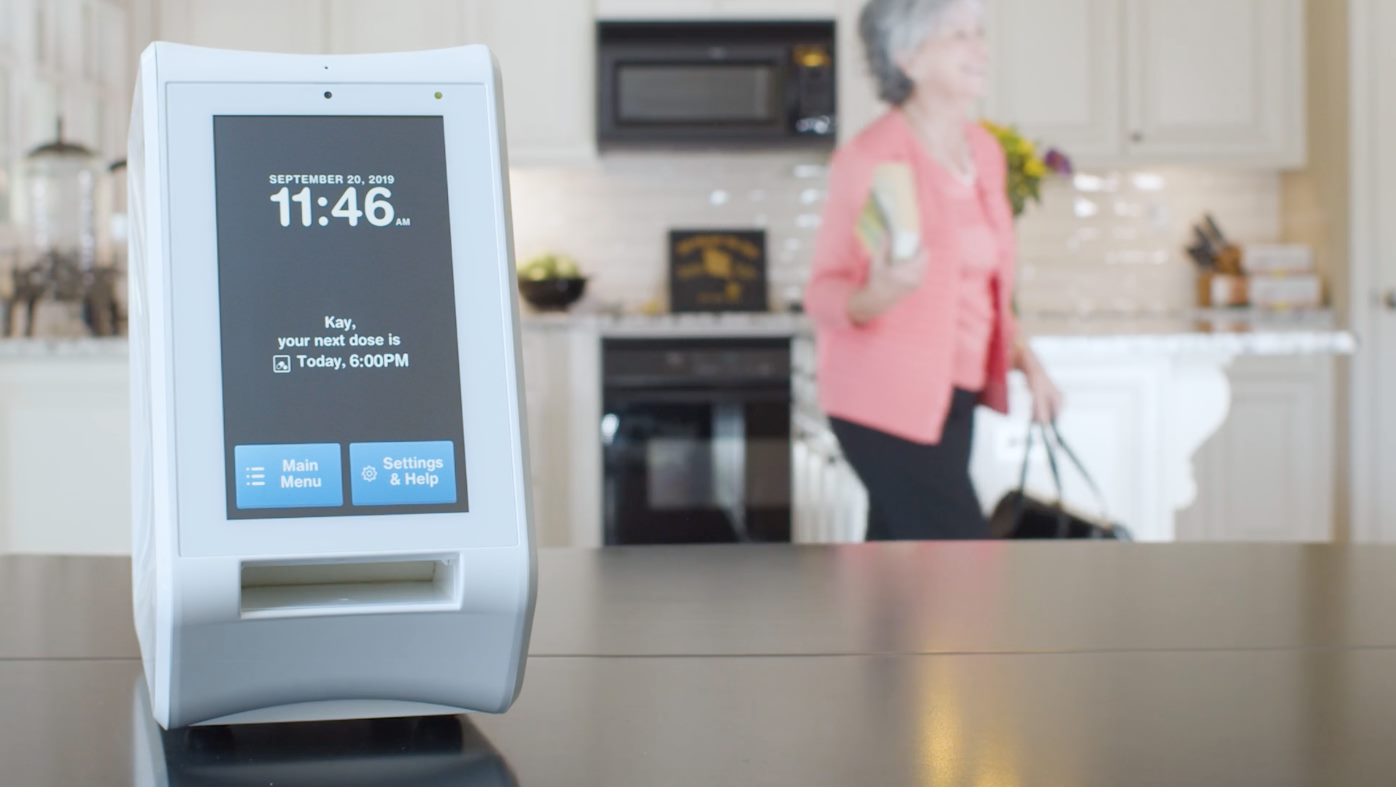
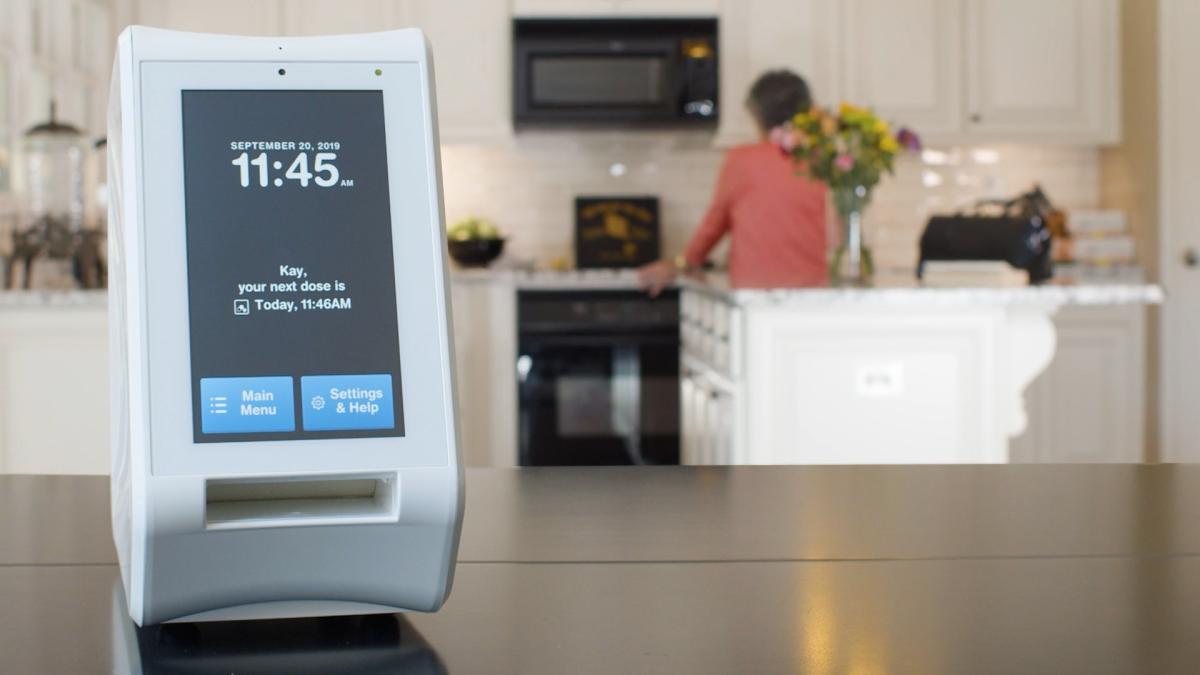
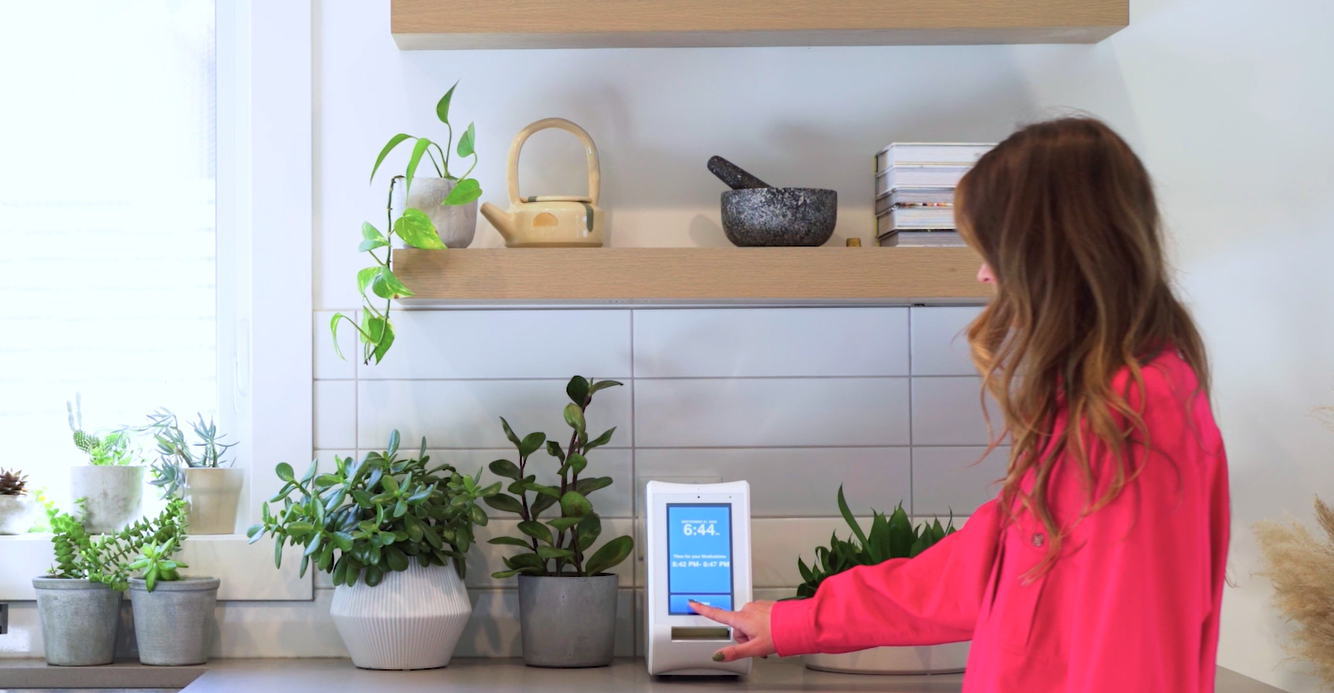
Patients were supported with an in-home medication dispensing system designed to structure dosing schedules, guide administration, and capture real-time adherence data.
The model enabled:
- Dose-level medication organization and guided administration
- Real-time adherence monitoring
- Patient engagement and reported inputs
- Visibility into medication use for the clinical care team
Pharmacists reviewed adherence patterns and patient responses, enabling timely intervention and coordination with the broader circle of care.
Results
Patients achieved 98% average medication adherence across complex, multi-dose regimens over the study period.
Continuous monitoring and patient engagement generated actionable insights, enabling pharmacists to identify gaps in adherence, address patient questions, and intervene earlier in the course of therapy.
Caregivers reported a reduction in burden associated with managing medications, as structured dosing and automated support reduced the complexity of daily routines.
Providers within the patient’s care team gained visibility into real-world medication use, supporting more informed clinical decision-making between visits.
What We Learned
This work began with a focused effort to support a population where medication timing and consistency are critical to daily function.
What we observed was not only improved adherence, but a meaningful shift in how care could be delivered in the home.
At the same time, this work surfaced a structural limitation.
Traditional community pharmacy models are not designed to support continuous, in-home medication management. Dispensing, delivery, and longitudinal clinical oversight require different infrastructure, workflows, and dedicated clinical capacity.
This insight directly informed the evolution of our model.
Custom Health expanded beyond traditional pharmacy services to include a dedicated, pharmacist-led clinical team capable of continuous monitoring, engagement, and intervention between visits.
Why it matters
This experience helped define the foundation of Custom Health’s approach today:
- Medication management in the home requires more than dispensing
- Continuous visibility requires dedicated clinical infrastructure
- Complex populations benefit most when pharmacy and clinical care operate as a connected system
What began as a focused initiative in a high-need population ultimately shaped how we design and deliver care across all programs.
Talk to our team about deploying connected medication management.