Summary
Randomized controlled trial evaluating the impact of connected medication management compared to usual care in older adults with chronic conditions.
- ~98% medication adherence over six months, higher than control
- Immediate and sustained adherence improvement over six months
- Improved patient-perceived health status vs. control group
- 50 participants (24 using the system)
- Average age: 63
Context
Researchers from Alberta Health Services conducted a randomized controlled trial, funded through the Centre for Aging and Brain Health Innovation (CABHI), to evaluate the effectiveness of in-home medication dispensing technology.
While observational studies demonstrate promise, controlled clinical evidence is required to validate impact and support broader adoption of medication management solutions.
Approach
Participants were adults living at home with at least one chronic condition and taking five or more medications.
The intervention group received:
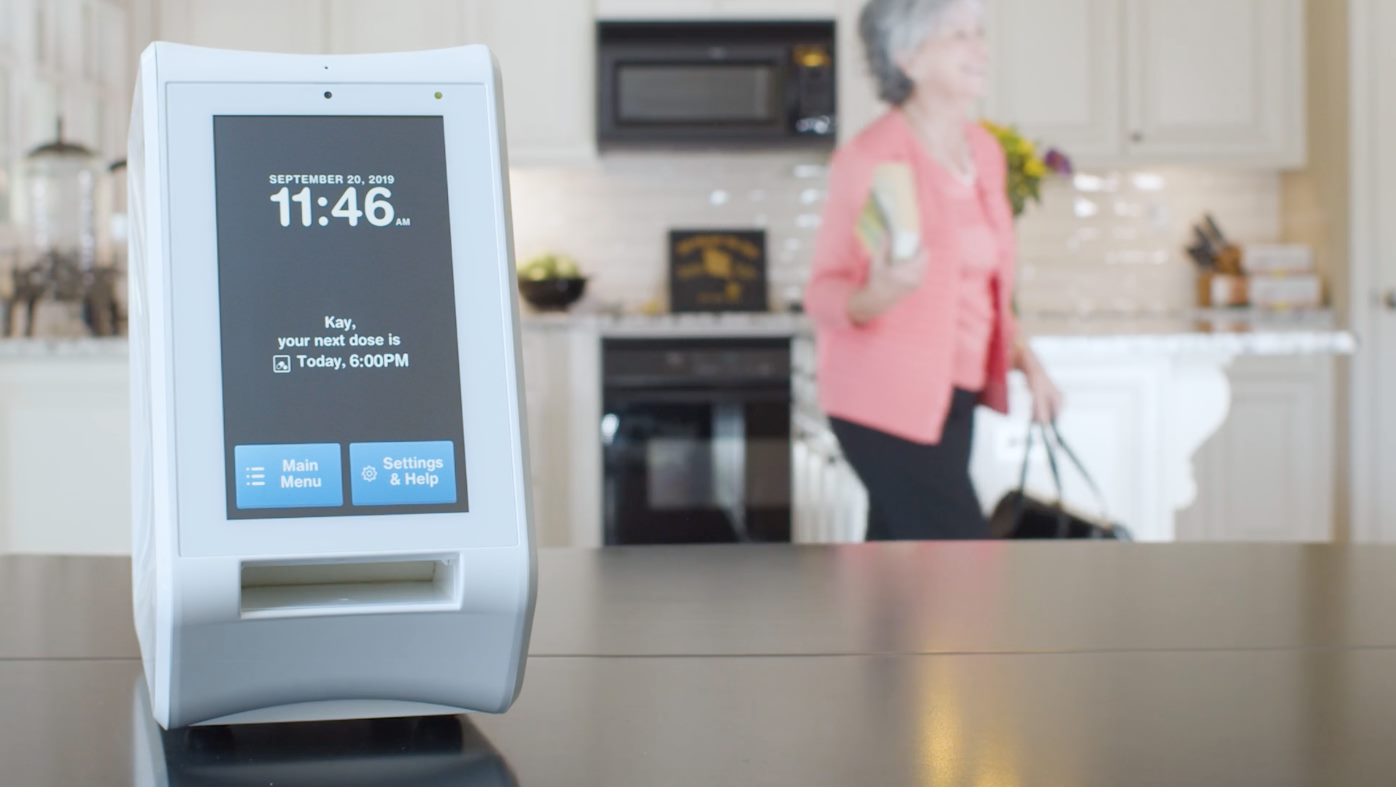
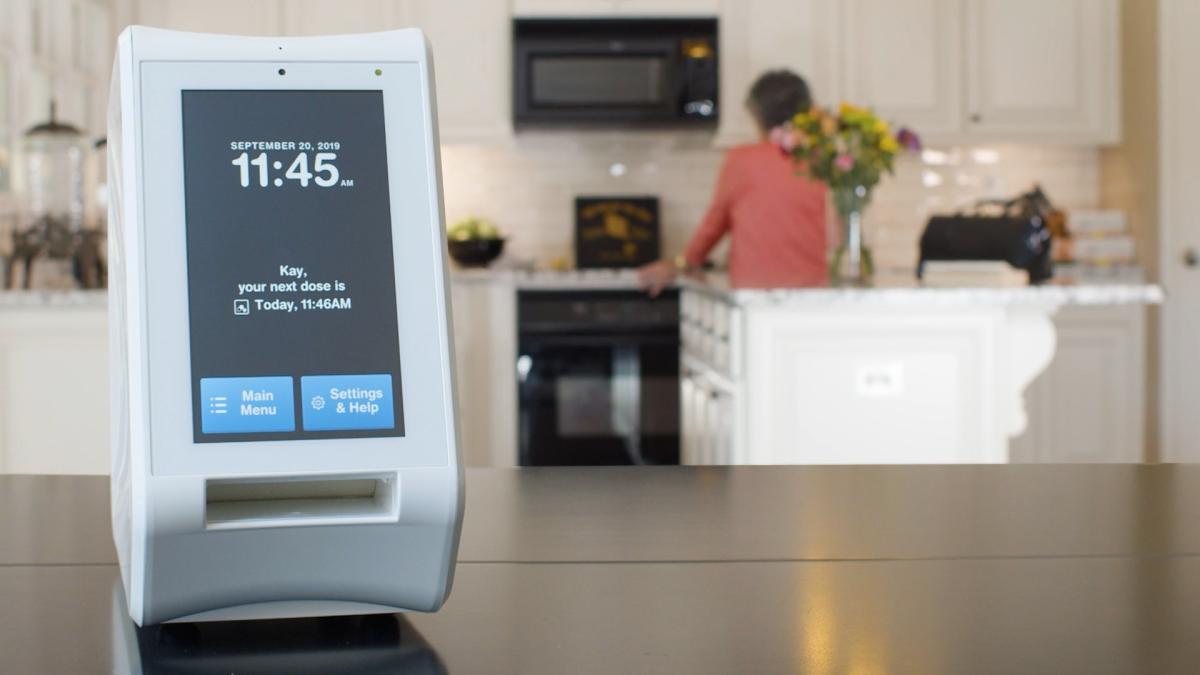
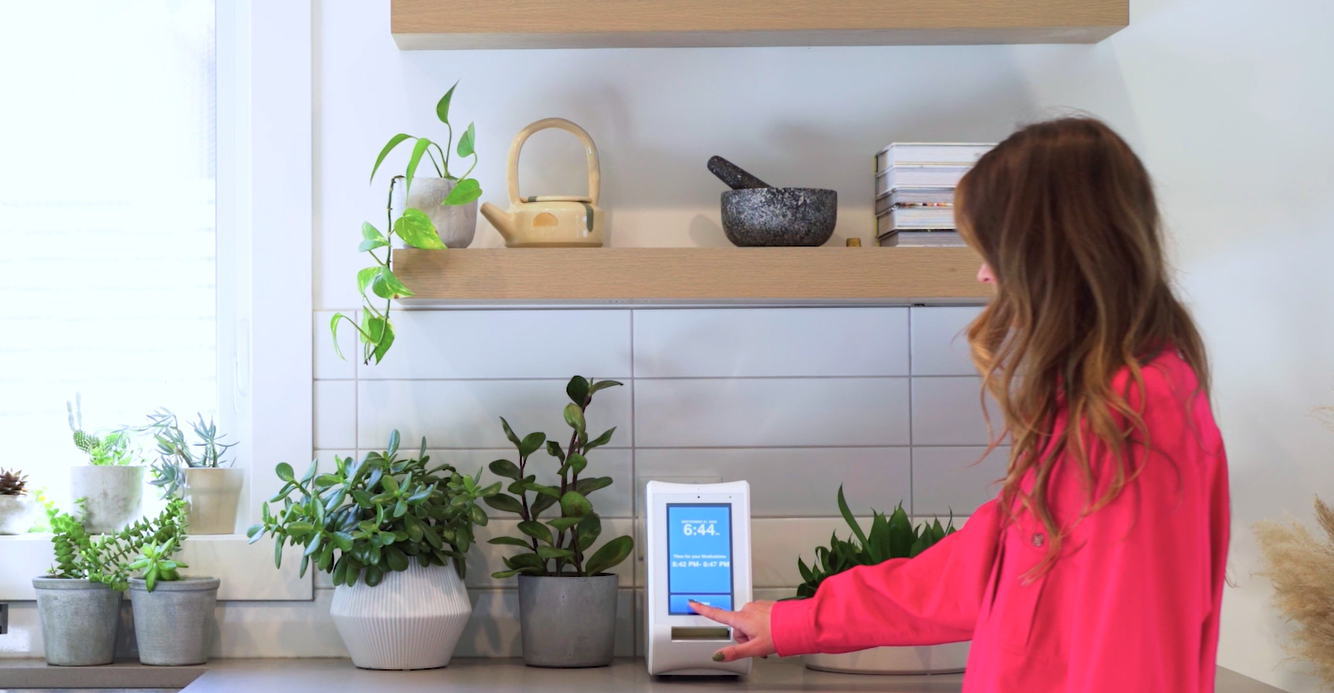
- In-home medication dispensing through spencer®
- Guided medication prompts and adherence support
- Real-time monitoring of dose-level medication use
- Pharmacist-led review and intervention based on adherence signals
The control group continued with usual care.
This structure enabled continuous visibility into medication use and timely clinical response based on adherence signals.
Results
"spencer can be an effective, long-term solution to non-adherence in older adults experiencing chronic conditions and taking multiple medications."
- Mubashir Arain, PhD, Principal Investigator
Participants using the system achieved ~98% adherence over six months, significantly higher than the control group.
Self-reported adherence and health perception also improved over the study period.
The findings reinforce the role of connected, in-home technology in improving adherence and supporting better overall health perception in older adults managing chronic conditions.
Patient Experience
Qualitative findings from the study highlighted:
- Patients stayed on schedule with their medications
- Daily routines were maintained with greater consistency
- Reduced stress and increased confidence in managing therapy
- Improved sense of independence while living at home
These findings point to both clinical and experiential benefits of structured medication management.
What This Shows In Practice
- Medication adherence improves when use is guided and monitored in the home
- Real-time visibility enables earlier, targeted intervention
- Structured support leads to sustained adherence over time
- Patients experience improved confidence and perceived health
These outcomes reflect what happens when medication use is continuously observed, interpreted, and acted on through a coordinated system of pharmacy, technology, and clinical care.
Talk to our team about deploying connected medication management.
Explore The Clinical Evidence